Escape room 6+
Bunker
2 - 6 people60 minutesMedium
Company Fox In A Box Gold Coast
Medium
Not scary
Without actorsActors
EnglishGame language
About the escape room
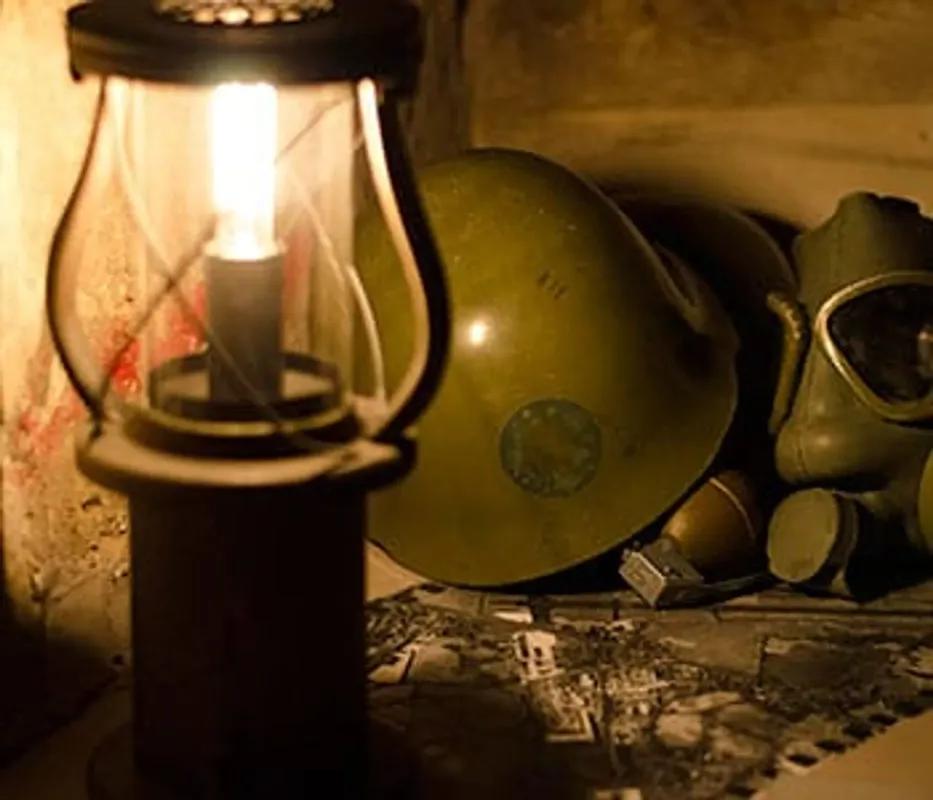
Early 80's, the peak of the Cold War... a nuclear launch sequence has been started by accident. The whole world is about to end.
You are a team of special agents sent to find out who did it and to stop the launch at any cost.
You are our last hope, and if you fail, the whole world will end.
AIThere are no reviews for this escape room yet.
Leave your first review and receive bonus points for it 🎯
Brief assessment
Navigator AIGo for a tense Cold War caper packed with techy, layered puzzles and a gritty bunker vibe. It’s tough but fair, and a last‑minute win feels electric.
The owner of this escape room has not yet confirmed their details.
If you are the owner of this escape room, please confirm your details so that customers can see your contact information for bookings.Location
Paid and Free Parking
Wifi
Wardrobe
AI Overview
AIPlayers consistently call this one of the venue’s hardest rooms, with an overwhelming start and lots of easily missed details. The set sells the 80s bunker mood, and radio communication between areas adds flavor. Flow can wobble, with a few leaps in logic and a door‑triggered lighting mechanic that some found clunky. Teams that communicate well report satisfying aha moments once the path clicks.
WeaknessesFlow can feel odd, with a couple of logic leaps and over‑hidden items. One task reportedly breaks usual room conventions by requiring disassembly, which some found unfair. A door‑dependent light trigger and skill‑based steps without checkpoints can be frustrating.
StrengthsImmersive Cold War theming with convincing props and war‑room atmosphere. Diverse puzzle mix—electronics, radios, ciphers, observation—delivers meaty solves. When the connections land, solutions feel earned and rewarding.
SecurityStandard briefing and controlled environment, with no safety issues raised in reviews. Expect some door interactions and low‑light moments as part of the design.
Level of fearNot a horror room; it’s more tense than scary. Suitable for teens and adults who like pressure without jump scares.
Actors' gameLittle direct actor presence is mentioned; interactions are mostly via hints from the game master. Radio communication between spaces is part of the experience and generally appreciated.
Quality of riddlesHigh variety and challenge, leaning on communication, decoding, and electronics. Generally fair once you find the thread, but the non‑linear start and some sneaky hides can stall teams. A skill‑based sequence and a convention‑breaking disassembly step divide opinions.
PlotYou’re special agents racing to stop an accidental nuclear launch and figure out who triggered it. The mission unfolds as you connect intel across bunker spaces without spoilers.
Difficulty levelVery challenging and labeled the venue’s toughest; best for experienced groups or confident communicators. Beginners can still have fun but will likely need timely hints.
Other escape rooms at this location
Bunker2 - 6 people
Escape rooms in Surfers Paradise by category
Pick a vibe — every category is a real page with reviews and booking.
Reviews