Escape room 12+
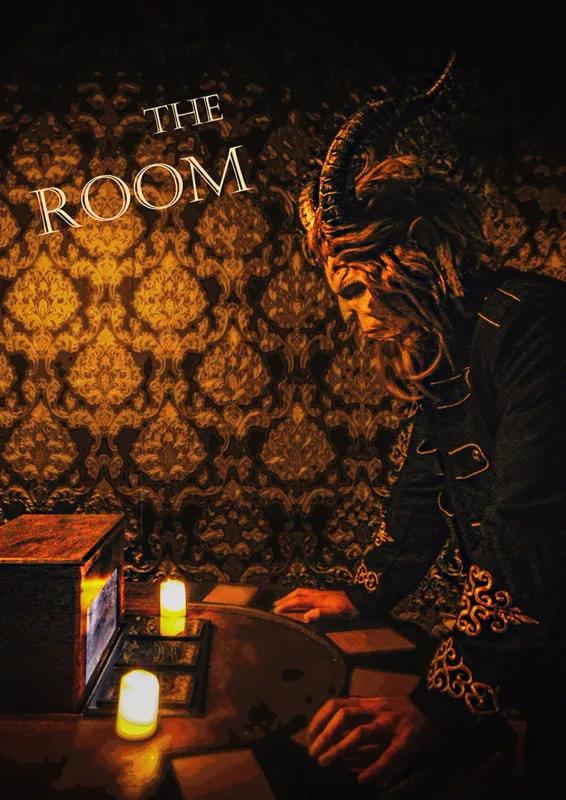
The Room
2 - 6 people90 minutesAbove average
Company Rush Escape Game
Above average
Not scary
Without actorsActors
EnglishGame language
About the escape room
Enter The Room and be transported to a place where tactile exploration meets challenging puzzles and an unsolved mystery.
The sudden disappearance of an ambitious Theologian and his high-society wife provokes the hunt for a precious artefact: the book from God. The trail leads to the attic of their home, and the discovery of an old, peculiar dollhouse.
Explore unsettling locations, follow obscure clues and manipulate bizarre contraptions as you uncover the mysteries within the Manor.
AIThere are no reviews for this escape room yet.
Leave your first review and receive bonus points for it 🎯
Brief assessment
Navigator AIGo for the hand-built puzzle boxes and the sheer amount of tactile stuff to tinker with—this place is a mechanical playground that keeps unfolding. If you crave story, you may miss it, but puzzle lovers will feast.
The owner of this escape room has not yet confirmed their details.
If you are the owner of this escape room, please confirm your details so that customers can see your contact information for bookings.Location
Paid and Free Parking
Wifi
Wardrobe
AI Overview
AIPlayers consistently praise the craftsmanship and variety of physical mechanisms, noting an impressive scale and length. The narrative presence is confusing: staff frame it as puzzle-first while the website suggests a story. Several reviews call out sparse rooms, a worn set, and a finicky final puzzle with ambiguous cluing. Occasional tech hiccups and leaps in logic pop up, especially near the end.
WeaknessesStory is thin or inconsistently presented, leaving some groups without direction. A few areas feel empty, the set shows wear, and some tech can be janky. The last puzzle is divisive, with unclear referencing and more than one reasonable answer.
StrengthsGorgeous woodwork and intricate puzzle-box mechanisms deliver memorable hands-on moments. The experience feels big and keeps revealing new layers. Fans of The Room-style tactile solves will feel right at home.
SecurityNo safety concerns raised in reviews; standard pre-game briefing reported. Some props feel worn but nothing flagged as unsafe.
Level of fearNot a scare-forward room; the vibe is eerie at most. Suitable for teens and families who prefer puzzles over horror.
Actors' gameNo in-game actors mentioned; interaction is limited to staff briefings before the game. Expect a self-guided, puzzle-first experience.
Quality of riddlesMostly solid, varied, and tactile, with standout puzzle-box sequences and clever mechanics. Logic wobbles appear late-game, and the finale’s cluing feels unfair to some. Overall skewed toward linear progression with occasional leaps.
PlotMarketing hints at a missing theologian, a mysterious wife, and a dollhouse, but in-room storytelling is light to nonexistent. Treat it as puzzles first, with only faint narrative breadcrumbs.
Difficulty levelMedium-high, especially due to the linear flow and a tricky final puzzle. Best for patient teams or experienced puzzlers; beginners may need hints.
Other escape rooms at this location
The Room2 - 6 people
Reviews