Escape room 12+
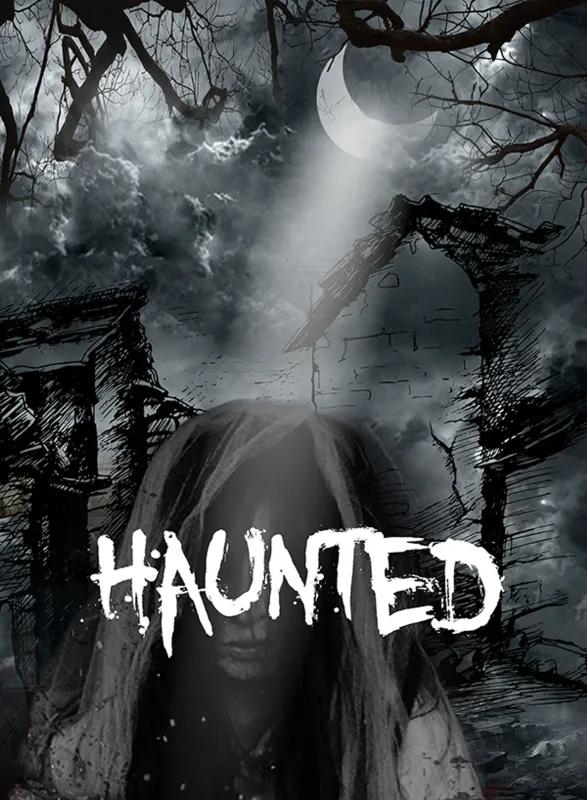
Haunted
4 - 8 people90 minutesMedium
Company Rush Escape Game
Medium
Scary
Without actorsActors
EnglishGame language
About the escape room
n the early 1900s, in a remote village, the shadows of war loomed heavily. A villager was forcibly taken to join the army, leaving behind his wife and his unborn baby. Alone and worried, the wife held on to her memories, finding solace in their small cottage on the edge of the village.
As time passed, a new rumor began to circulate through the village. Treasure! Precious!
Villagers also claimed to have seen a ghostly presence roaming the woods, its form shifting and its presence chilling the air. Some said it was a lost soul from the war, while others believed it was a guardian spirit.
AIThere are no reviews for this escape room yet.
Leave your first review and receive bonus points for it 🎯
Brief assessment
Navigator AIGo for the nerve-shredding atmosphere, the huge maze, and a relentless live actor that keeps you on edge. If you want a 90-minute adrenaline dump in near-darkness, this is your ride.
The owner of this escape room has not yet confirmed their details.
If you are the owner of this escape room, please confirm your details so that customers can see your contact information for bookings.Location
Paid and Free Parking
Wifi
Wardrobe
AI Overview
AIReviews agree it’s a massive, free-roam space with intense scares and a standout live actor. Puzzles are light, sometimes unclear, and a few feel unfair or require outside knowledge. The story is delivered via long text pages that many players ignore in the panic. The set looks deliberately rundown, though some note it’s crossed into shabby territory with visible wall damage.
WeaknessesSparse and sometimes confusing puzzles with subtle completion cues; occasional reliance on outside knowledge. Overlong text dumps for story ruin pacing in a high-adrenaline setting. Noticeable wear and tear like holes in walls can feel unprofessional.
StrengthsEnormous, labyrinth-like layout that nails immersion and dread. Scare design is excellent, boosted by pitch-black areas and a committed actor. Freedom to roam heightens tension and replayable paths.
SecurityExpect free-roam movement in a dark, maze-like space with a worn, distressed set; some players noticed wall damage. A GM is responsive over walkie-talkie, which helps when teams get stuck or disoriented.
Level of fearVery intense and often pitch-black; not ideal for kids or the faint of heart. Teams can request the scare level to be ramped up, which several did.
Actors' gameThe live actor is the highlight, appearing at viciously unexpected moments and sustaining constant pressure. Interaction is reactive and physical-presence focused rather than theatrical monologues.
Quality of riddlesPuzzle count is low for a 90-minute game and clueing can be murky, with subtle feedback on success. At least one task reportedly needs outside knowledge, which feels unfair. Puzzle hunters may leave underfed, while horror fans won’t mind.
PlotSet in an early-1900s village with whispers of treasure and a restless spirit, the story leans on long text pages scattered around. Most players were too adrenalized to read, so the narrative often fades behind the scares.
Difficulty levelMentally, it skews easy-to-moderate due to light puzzling; the real challenge is navigation and nerve. Puzzlers may feel shortchanged, while scare-seekers will thrive.
Other escape rooms at this location
Haunted4 - 8 people
Escape rooms in South Yarra by category
Pick a vibe — every category is a real page with reviews and booking.
Reviews